
Dry Eyes Evaluation
Our dry eyes evaluation pinpoints what’s causing your discomfort, so we can recommend the most effective treatment. Because this condition has many possible causes, a detailed assessment is the first step toward relief.
During your visit, we’ll review your symptoms, medical history, and daily habits. We may measure tear production, check tear film stability, examine the eyelids and oil glands, and look at the eye’s surface with special dyes.
Afterward, we’ll explain the results and create a personalized plan. Follow-up visits help us track your progress and adjust treatment as needed.

Symptoms & Causes
Most people with dry eye notice burning, grittiness, redness, or a feeling that something is stuck in the eye. Some are surprised to learn that watery eyes can be a symptom, too. Blurry vision that clears with blinking, light sensitivity, and end-of-day fatigue are also common. If any of these sound familiar, our dry eyes evaluation can help pinpoint the cause.
These symptoms usually trace back to inflammation or blocked meibomian glands, which is why treatments like OptiPLUS target those specific structures instead of just adding more moisture on top. Addressing the root cause is what separates lasting relief from a short-term fix.
A More Common Experience Than You'd Think
You’re far from alone if dry eye symptoms feel like a constant background noise. A 2024 national survey found that eight in ten people with dry eye are constantly aware of how their eyes feel, and three in four describe the discomfort as significant. Recognizing that pattern in your own day is often the first step toward doing something about it, and it’s a more common experience than most people realize.
When Should You Seek a Professional?
Home care can manage mild symptoms, but persistent discomfort is worth paying attention to. Corneal specialists at Duke Health note that once over-the-counter drops stop making a real difference, that’s typically a good point to schedule a visit with an eye doctor. Sudden vision changes, eye pain, or discharge are also reasons to get checked sooner rather than later. This isn’t about rushing into treatment; it’s simply about recognizing when your eyes are asking for a closer look.
Prevention & Hygiene Education
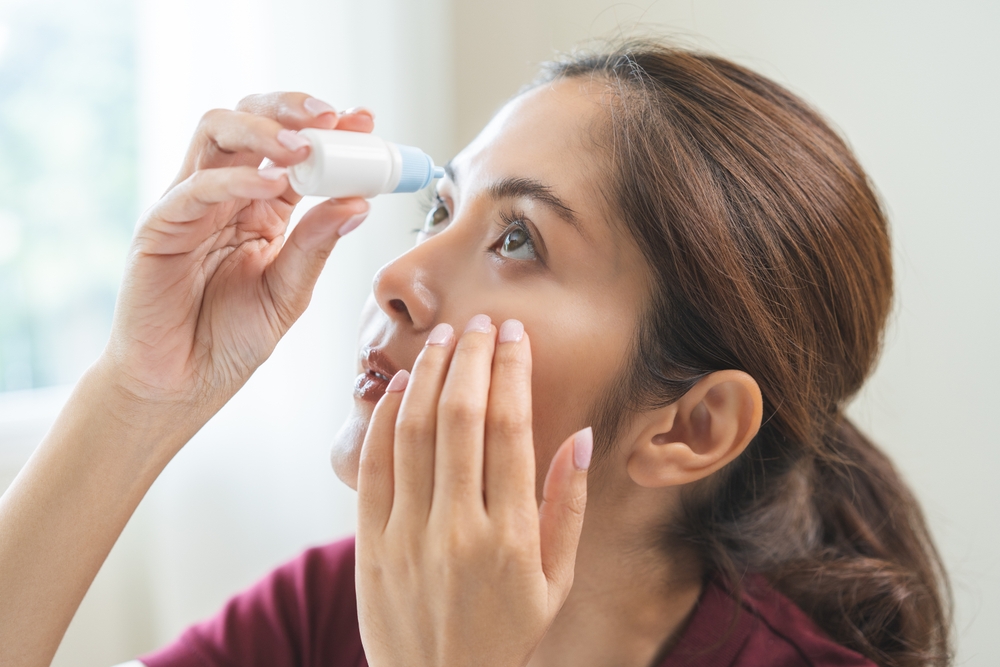
Small daily habits can go a long way toward keeping dry eye symptoms from creeping back after treatment. Taking regular breaks from screens, staying hydrated, and keeping your eyelids clean all support healthier tear production over time. Environmental adjustments, like running a humidifier or redirecting airflow at your desk, help too. None of these replace professional treatment, but they do help maintain your results.
Popular Home Remedies/DIY
A lot of people try warm washcloths, cucumber slices, or over-the-counter drops before ever mentioning dry eye to their doctor, and there’s nothing wrong with starting there. Warm compresses in particular are a long-standing recommendation for loosening blocked meibomian glands and are still something doctors suggest as a first step. Other popular ideas, like blinking exercises or diet changes, can offer mild support but rarely resolve moderate to severe symptoms on their own. These remedies are often a reasonable starting point, just not usually a full solution.
Myth Busting
Not every home remedy performs the way word-of-mouth suggests. Research indicates that a plain warm washcloth alone often fails to produce a measurable improvement in meibomian gland function, while more sustained, moisture-retaining heat methods do show meaningful results, according to a controlled study published in a peer-reviewed ophthalmology journal.
Consistency and the right kind of heat appear to matter more than the remedy itself. That’s part of why in-office treatments, which apply calibrated heat and energy, tend to produce more predictable outcomes.
Cost & Insurance
Dry eye treatment is often more accessible than people expect, and costs vary depending on the type and number of sessions needed. The figures below reflect general industry ranges, not a quote for your specific visit.
Industry Average Pricing
Based on recent eye care pricing data, in-office IPL treatment for dry eye typically runs between $400 and $800 per session nationally, with a full course of about four sessions totaling roughly $1,600 to $3,200. These are industry averages pulled from recent, publicly reported pricing trends, not the exact rates at any single practice. If you’d like to find out how See Breeze Optometry has worked to make this treatment more accessible than many of these averages suggest, reach out to the team to verify current plans and rates.
Common Insurance Providers
Nationally, two providers make up the majority of the stand-alone vision insurance market, with a couple of major health insurers also commonly used for vision benefits, according to recent market share data. This list reflects broad national insurance enrollment trends, not a confirmation of which plans this practice accepts. To find out if your insurance or payment method is accepted here, speak with a member of the team directly.
How We Diagnose and Treat Dry Eye
Every case of dry eye looks a little different, so care here relies on precise diagnostic technology paired with targeted in-office treatment. Here’s a closer look at the tools and technologies used to evaluate and manage dry eye.

What to Expect During Your Treatment
Your Dry Eye Evaluation and Diagnostic Imaging
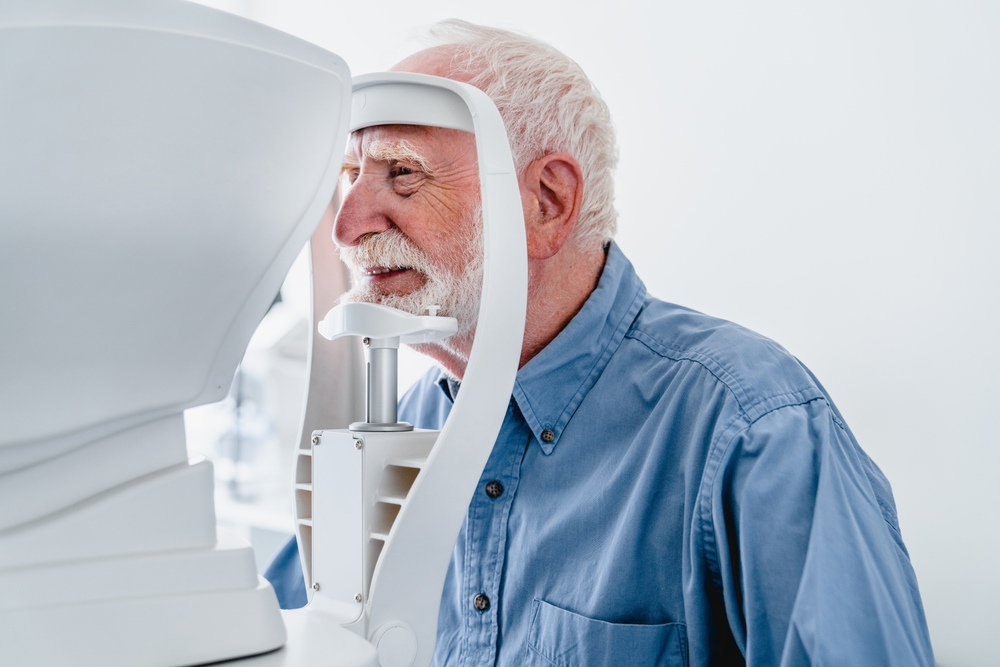
Your first visit starts with a real conversation, not a rushed checklist. Dr. Jeffrey Dang or one of the doctors will ask about your screen habits, contact lens wear, and any medications that could be contributing to dryness. From there, tools like the Maestro 2 OCT and iCare tonometer capture a detailed picture of your tear film, gland function, and eye pressure. This step tells us exactly what’s driving your symptoms before any treatment begins.
Mapping Out Your Personalized Treatment Plan
Once your results come back, your doctor puts together a plan built around your specific findings, not a generic checklist. Dr. Jeffrey Dang might recommend a series of OptiPLUS sessions for gland-related dryness, while another patient may benefit more from prescription drops or lifestyle changes first. Severity, lifestyle, and what you’ve already tried all factor into the recommendation. The goal is a plan that fits your eyes, not a one-size-fits-all protocol.
In-Office OptiPLUS Sessions and Supportive Care
Treatment sessions are quick, typically around six minutes per side, and most patients tolerate them with minimal discomfort. Dr. Jeffrey Dang and the clinical team walk you through each step so you know what to expect before it happens. Sessions are usually spaced a few weeks apart, with many patients noticing changes within four visits. Supportive therapies, like prescription drops, may run alongside your in-office sessions depending on your plan.
Eyelid Hygiene and At-Home Habits
What you do between visits matters just as much as the in-office treatment itself. Simple habits, like blinking fully during screen use, keeping eyelids clean, and taking regular breaks, help protect your results. Environmental changes, such as running a humidifier at home, can reduce how quickly your tears evaporate. Omega-3 intake is another small adjustment some patients find helpful, though it’s worth discussing with your doctor first.
Monitoring Your Results Over Time
Dry eye tends to be an ongoing condition, so your care doesn’t stop after your last scheduled session. Follow-up visits let your doctor recheck gland function, tear quality, and symptom improvement using the same diagnostic tools from your first visit. If your plan needs adjusting, changes happen quickly rather than waiting until symptoms return in full force. This continued attention is what keeps relief lasting well beyond your treatment series.
FAQs
What causes dry eyes?
Dry eyes usually happen when your tear glands don’t make enough tears or your tears evaporate too quickly. Common triggers include aging, screen time, contact lenses, certain medications, and dry or windy environments. Conditions like meibomian gland dysfunction, where the oil-producing glands in your eyelids become blocked, also play a major role. Hormonal changes and certain autoimmune conditions can contribute as well.
Can dry eyes cause blurry vision?
Yes, dry eyes can absolutely cause blurry or fluctuating vision. When your tear film isn’t stable, light doesn’t focus evenly across the surface of your eye, which can make things look hazy or out of focus. This often clears up temporarily with blinking, since blinking spreads a fresh layer of tears across your eye. If blurriness persists, it’s worth having your eyes checked to see how much dry eye is contributing.
Can dry eyes cause blindness?
Severe, untreated dry eye can lead to complications like corneal scarring, ulcers, or infections that affect vision, though outright blindness from dry eye alone is rare. The bigger risk comes from ignoring worsening symptoms over a long stretch of time. Catching and treating dry eye early helps protect the surface of your eye from lasting damage. Regular checkups make a real difference here.
What are symptoms of dry eyes?
Common symptoms include burning, stinging, grittiness, redness, and a feeling like something is stuck in your eye. Some people also notice excessive watering, since dryness can trigger reflex tears that don’t actually lubricate the eye well. Blurry vision, light sensitivity, and eye fatigue toward the end of the day are common too. Symptoms can vary quite a bit from one person to the next.
Can dry eyes cause headaches?
Yes, the eye strain that comes with dry eyes can lead to headaches, especially after reading or extended screen use. When your eyes work harder to stay comfortable and focused, that extra effort can radiate into tension around the forehead or temples. Treating the underlying dryness often reduces how often these headaches show up. If headaches persist, it’s worth mentioning them during your next eye exam.
Get to the Bottom of Your Discomfort With Our Dry Eyes Evaluation
Our dry eyes evaluation gives you clear answers and a path to real relief. We’ll walk you through every result and recommend next steps. Book your visit with See Breeze Optometry today.
Dial 714-964-3811, fill out our contact form, or find us on Facebook to see what patients are saying and what’s new at the practice.
Request Appointment